
Bob Marley — No Woman, No Cry
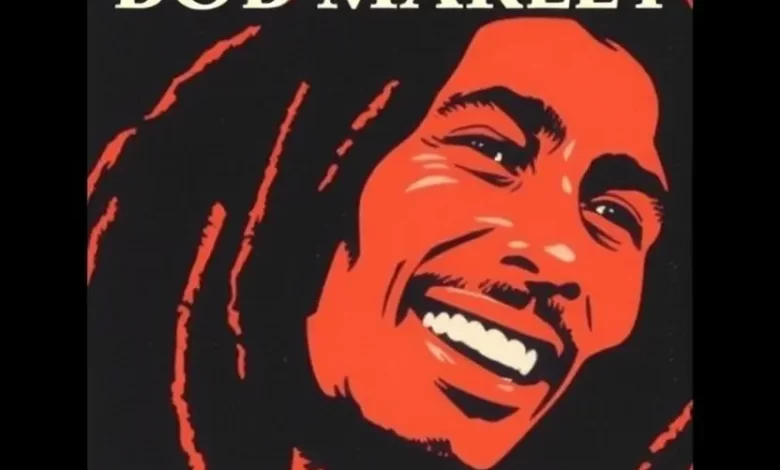

Bob Marley
Bob Marley was a Jamaican singer, songwriter, and musician. He was born on February 6, 1945, in Nine Mile, Jamaica. Marley is considered one of the pioneers of reggae music and is known for his distinctive voice and songwriting style.
- The song was recorded live at the Lyceum Theatre in London.
- «No Woman, No Cry» has been covered by numerous artists.
- It is one of the most iconic reggae songs of all time.
No Woman, No Cry
«No Woman, No Cry» is a song by Bob Marley and the Wailers. It was first released in 1974 on the album «Natty Dread.» The song is one of Marley’s most famous and beloved tracks, known for its poignant lyrics and soulful melody.
The lyrics of «No Woman, No Cry» resonate with people around the world, conveying a message of hope and resilience in the face of adversity. The song’s title is often misinterpreted as a statement about gender, but Marley explained that it was actually a message of comfort to a woman in distress.
Throughout his career, Bob Marley used his music as a platform to advocate for social change and unity. His songs often addressed themes of love, peace, and justice, inspiring generations of fans to stand up for what they believe in.
Legacy and Influence
Bob Marley’s impact on music and culture extends far beyond his own lifetime. His music continues to inspire artists across genres and generations. Marley’s message of love, unity, and social justice remains relevant today, resonating with people around the world who seek positive change.
Many contemporary musicians cite Bob Marley as a major influence on their work. His unique blend of reggae, ska, and rocksteady has left an indelible mark on the music industry. Artists from various backgrounds pay tribute to Marley by covering his songs and incorporating elements of his style into their own music.
Everything’s gonna be alright!
Bob Marley’s Enduring Spirit
Bob Marley’s spirit lives on not only through his music but also through the Bob Marley Foundation and various charitable initiatives established in his honor. These organizations continue his legacy by promoting peace, equality, and education in Jamaica and beyond.
Marley’s music remains a powerful force for good, spreading messages of love, unity, and hope to listeners worldwide. His timeless classics, such as «No Woman, No Cry,» serve as anthems of resilience and positivity, reminding us of the enduring power of music to uplift and inspire.


